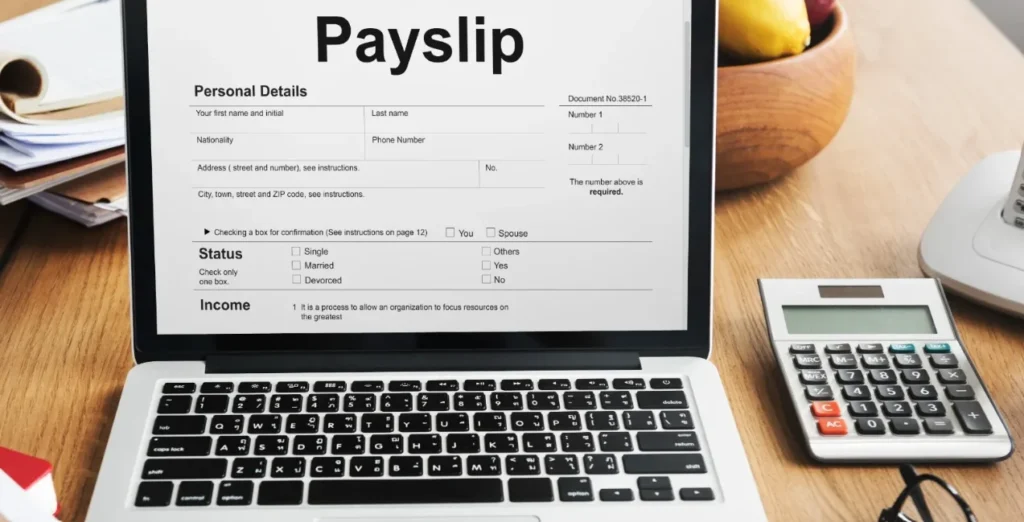
Understanding Minimum Wage Requirements in Pakistan
Minimum wage is the lowest remuneration that employers are legally allowed to pay their workers. It ensures employees earn a basic income to cover essential living costs and prevents exploitation. In Pakistan, minimum wage laws are designed to protect workers across industries while promoting fair and transparent labor practices. These laws are regularly updated to keep pace with inflation and changing economic conditions. Understanding these requirements is crucial for both employers and employees to avoid disputes and ensure compliance. Platforms like Paytime.pk further simplify this process by helping businesses manage payroll accurately while staying aligned with Pakistan’s minimum wage regulations.
What is Minimum Wage?
Minimum wage refers to the legally mandated lowest amount an employer can pay a worker for their labor. It differs from a living wage, which considers the actual cost of living for a family. While minimum wage guarantees basic earnings, a living wage ensures a more comfortable standard of living. Minimum wage laws prevent wage exploitation and reduce poverty. These laws are also essential for maintaining fair competition among businesses. For employees, knowing the minimum wage helps ensure they receive their rightful pay.
Minimum Wage Regulations in Pakistan
In Pakistan, the Minimum Wages Ordinance governs wage standards and ensures compliance with labor rights. The Ministry of Labor and Provincial Labor Departments oversee enforcement. Each province, including Punjab, Sindh, Khyber Pakhtunkhwa, and Balochistan, may set different minimum wage rates. Laws specify which workers and industries are covered under minimum wage regulations. Employers must follow these regulations to avoid penalties. These rules are periodically reviewed to align with inflation and economic conditions.
Current Minimum Wage Rates in Pakistan
The minimum wage in Pakistan varies by province and sector. For example, the latest federal guideline sets a baseline, but provinces may adjust based on local cost of living. Rates differ between skilled, semi-skilled, and unskilled workers. Formal sector employees often have fixed rates, while informal workers may face inconsistent wages. Factors like inflation, living expenses, and industry standards influence minimum wage calculations. Staying updated on current rates is essential for both employers and employees.
Employer Responsibilities Regarding Minimum Wage
Employers are legally obligated to pay workers at least the minimum wage specified by the government. They must maintain accurate payroll records to demonstrate compliance. Employers are also responsible for providing timely wage payments without unauthorized deductions. Failure to comply can result in fines, legal action, or labor disputes. Awareness of wage regulations helps companies avoid penalties and maintain a motivated workforce. Employers should conduct regular audits to ensure wage practices align with legal requirements.
Employee Rights Under Minimum Wage Laws
Employees have the right to receive no less than the government-mandated minimum wage. They can report wage violations to labor authorities or relevant departments. Workers are protected against retaliation or dismissal for exercising their wage rights. Understanding these rights empowers employees to demand fair compensation. Employers are obligated to adhere to these protections under labor law. Access to grievance mechanisms ensures employees can enforce their wage entitlements effectively.
Challenges in Implementing Minimum Wage
Implementing minimum wage laws in Pakistan faces several challenges. Informal employment and unregistered businesses often lead to non-compliance. Economic disparities across regions make standard enforcement difficult. Inflation can erode the real value of wages, leaving workers underpaid despite legal compliance. Lack of awareness among employees and small business owners contributes to violations. Addressing these challenges requires a combination of regulation, education, and monitoring.
How to Stay Compliant
Employers should ensure accurate calculation of wages according to provincial guidelines. Maintaining clear payroll records and documentation is crucial for audits. Employees can verify their wage compliance using government tools or wage boards. Regular internal audits help identify gaps before they become legal issues. Staying informed about wage revisions ensures continued compliance. Collaboration between labor departments and companies improves transparency and fairness in wage practices.
Why Paytime.pk
Paytime.pk is a trusted platform for managing payroll and ensuring compliance with Pakistan’s labor laws. It helps employers automate wage calculations, including minimum wage, overtime, and deductions. The platform keeps records ready for audits and government inspections. Employees benefit by receiving accurate and timely payments, while employers reduce the risk of non-compliance penalties. Paytime.pk simplifies payroll processes for businesses of all sizes, saving time and reducing errors. Using such tools strengthens employer-employee trust and promotes legal adherence.
1. Streamlined Payroll Automation
Paytime.pk allows businesses to automate their entire payroll process, from calculating wages to applying overtime and deductions. By reducing manual calculations, it eliminates errors and saves significant time for HR teams. Automation ensures that all payroll activities comply with Pakistan’s labor laws and internal company policies. Companies can schedule payments, generate payslips, and maintain accurate records effortlessly. This is especially useful for growing businesses handling multiple employees and complex salary structures. Overall, it increases operational efficiency and reduces human errors.
2. Accurate Minimum Wage and Overtime Calculations
Compliance with Pakistan’s labor laws, including minimum wage requirements, is critical for businesses. Paytime.pk automatically calculates the correct minimum wages based on current regulations, ensuring no employee is underpaid. It also accurately tracks overtime hours and applies legal rates for extra work. This guarantees fairness and prevents disputes between employers and employees. Employers can stay confident that all legal obligations are met without spending hours cross-checking figures manually. It protects businesses from potential legal penalties and employee grievances.
3. Simplified Record-Keeping for Audits
Maintaining proper payroll records is crucial for audits, inspections, and legal compliance. Paytime.pk stores all payroll information digitally, making it easy to retrieve historical data when required. Employers can generate detailed reports for authorities, internal audits, or employee inquiries. This level of organization not only saves time but also reduces the stress associated with compliance inspections. With everything stored securely in one platform, businesses avoid lost records or manual documentation errors. Digital record-keeping also helps in monitoring trends and managing workforce costs efficiently.
4. Timely and Transparent Employee Payments
Employees benefit greatly when payroll is accurate and timely. Paytime.pk ensures salaries are calculated correctly and disbursed on schedule, reducing disputes or delays. Transparency in deductions, overtime, and bonuses builds trust between employers and employees. It also improves workforce morale as staff feel fairly compensated for their work. With clear digital payslips, employees can review all details of their earnings conveniently. Ultimately, consistent and transparent payments strengthen workplace relationships and promote satisfaction.
5. Reduced Risk of Non-Compliance Penalties
Non-compliance with labor laws in Pakistan can lead to fines, legal complications, and reputational damage. Paytime.pk minimizes these risks by automatically following current regulations for wages, deductions, and working hours. The platform alerts employers to any discrepancies or updates in labor laws, ensuring continuous compliance. By adhering strictly to regulations, businesses can avoid costly legal penalties and audits. This proactive approach protects both employers and employees while maintaining a professional and law-abiding operation.
6. Scalability for Businesses of All Sizes
Whether a business has 5 employees or 500, Paytime.pk can handle payroll efficiently. Its scalable features adapt to different company sizes and structures, including multiple branches or departments. Small businesses gain a simple, hassle-free solution, while larger enterprises benefit from advanced reporting and automation capabilities. This flexibility ensures that payroll management grows alongside the business without added complexity. It makes Paytime.pk a suitable tool for startups, SMEs, and large organizations alike.
Other Related Articles you may like to Explore
Conclusion
Understanding minimum wage requirements in Pakistan is essential for both employers and employees. Compliance ensures workers earn a fair income while protecting businesses from legal penalties. Awareness of provincial laws, current rates, and employee rights fosters a transparent work environment. Platforms like Paytime.pk make wage management easier and more accurate. By addressing challenges and maintaining proper practices, Pakistan’s workforce and businesses can thrive together.
FAQs
What is the current minimum wage in Pakistan?
Rates vary by province and industry, so always check the latest government notifications.
Who sets the minimum wage in Pakistan?
Provincial labor departments, guided by the federal Minimum Wages Ordinance.
Can employers pay less than the minimum wage?
No, paying below the minimum wage is illegal and may result in fines or legal action.
How can employees report wage violations?
Complaints can be filed with provincial labor departments or labor courts.
Are minimum wages the same across all provinces?
No, each province sets its own rates based on local economic conditions.